Airline Disability Codes
Airline Disability Codes Explained
If you’ve ever seen a code such as WCHR, DPNA, MEDA or MAAS on your booking confirmation and wondered what it means, you’re not alone. Airline disability codes are standardised codes used by airlines and airports to communicate the assistance a passenger needs throughout their journey.
This category contains our complete collection of airline disability code guides, explaining what each code means, who it is designed for and how to request it before you travel. Whether you need wheelchair assistance, are travelling with autism, have a medical condition or require extra support at the airport, these guides will help you understand exactly what each code does.
If you’re new to the system, start with our What Are Airline SSR Codes? guide, which explains how Special Service Request (SSR) codes work and why airlines use them before exploring the individual codes below.
Popular Airline Disability Codes
Some of the most searched airline disability assistance codes include:
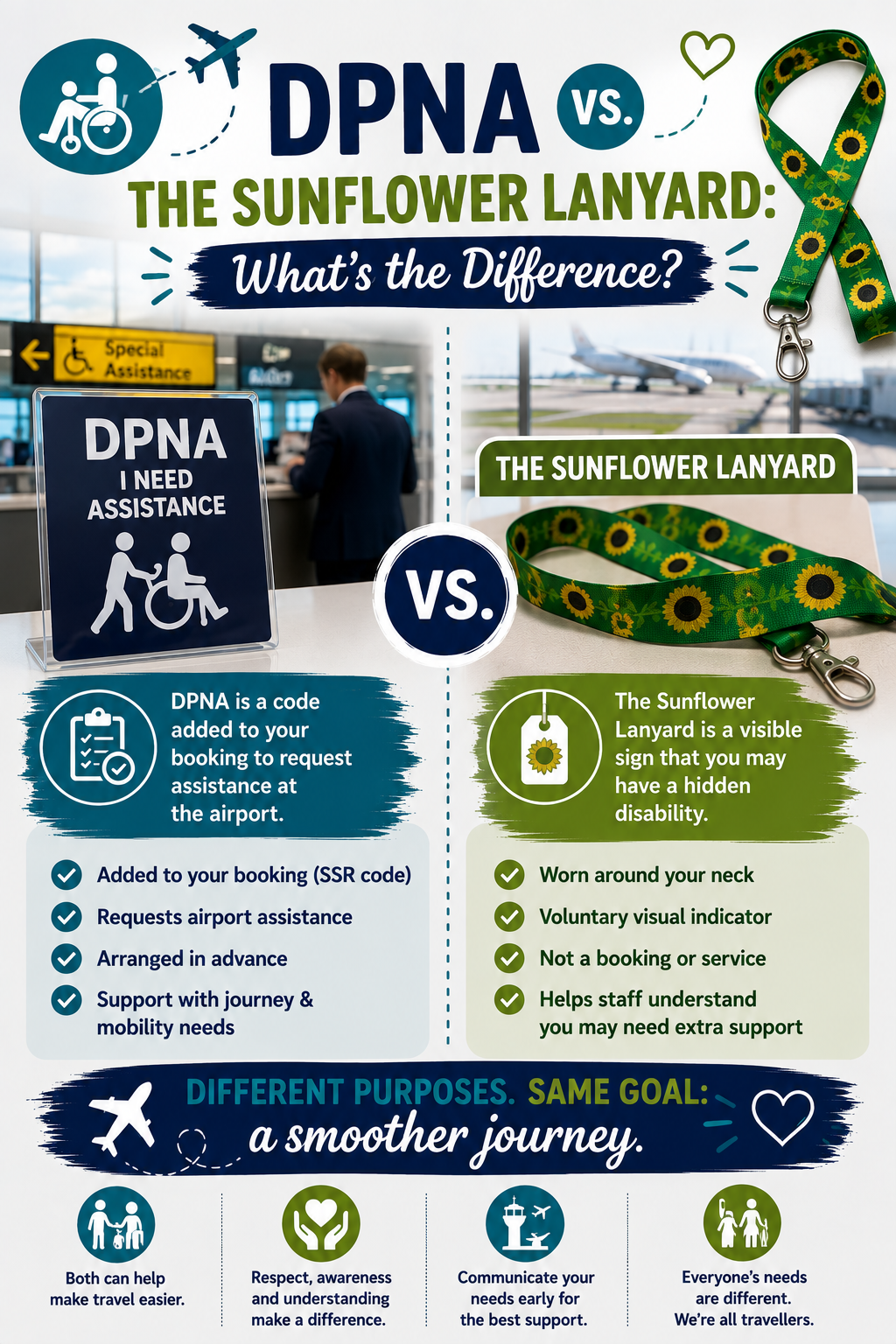
- DPNA – Assistance for passengers with intellectual or developmental disabilities, including many autistic travellers.
- MAAS – Meet and Assist service for passengers who need additional help but don’t qualify for wheelchair assistance.
- WCHR – Wheelchair assistance for passengers who can walk short distances and climb aircraft steps.
- WCHS – Wheelchair assistance for passengers who cannot climb stairs.
- WCHC – Full wheelchair assistance for passengers who cannot walk to their aircraft seat.
- BLND – Assistance for blind or visually impaired passengers.
- DEAF – Assistance for deaf or hard of hearing passengers.
- MEDA – Medical clearance required before flying.
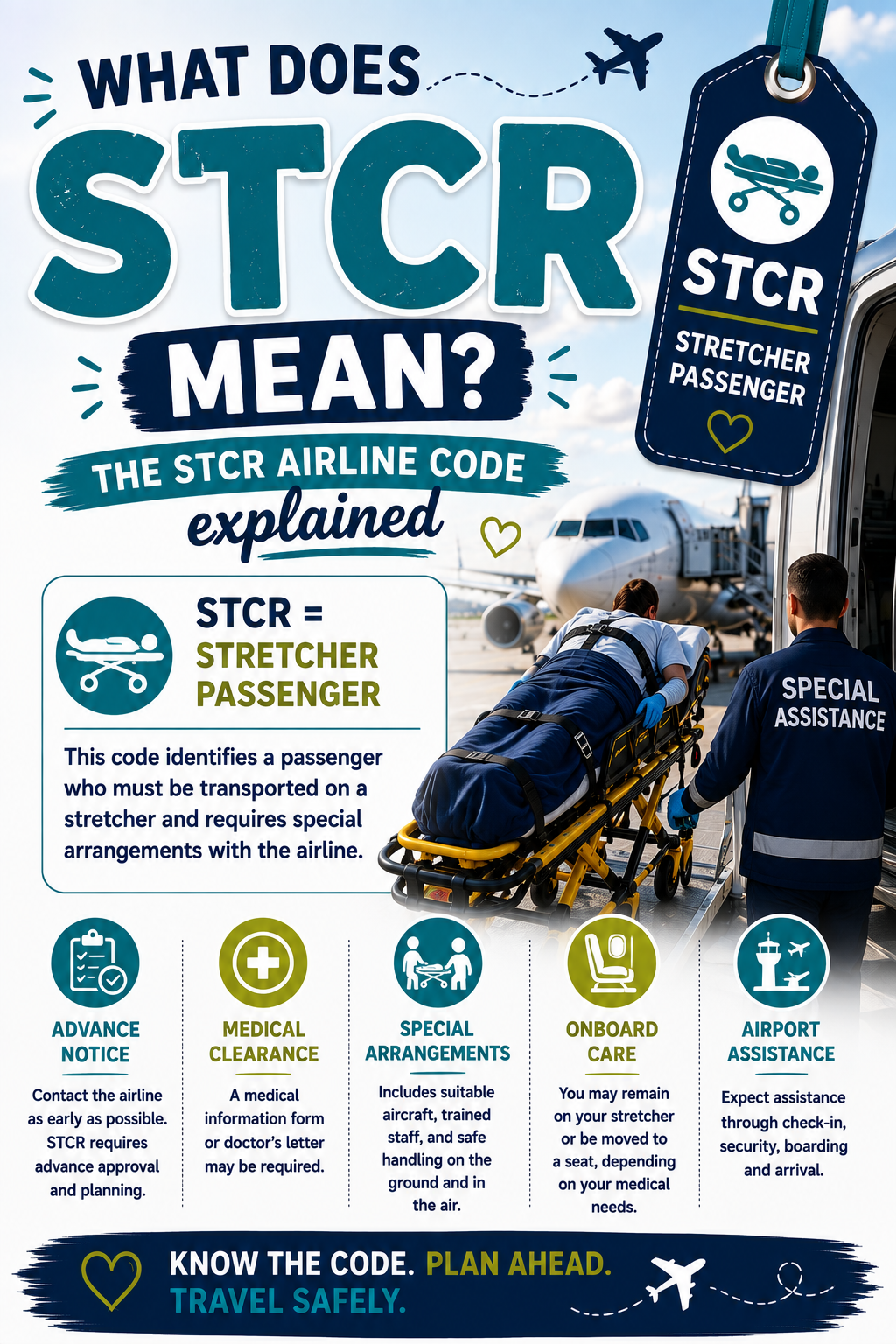
- STCR – Passengers travelling on a stretcher.
- PETC – Pets travelling in the aircraft cabin.
- SVAN – Service animals travelling with their owner.
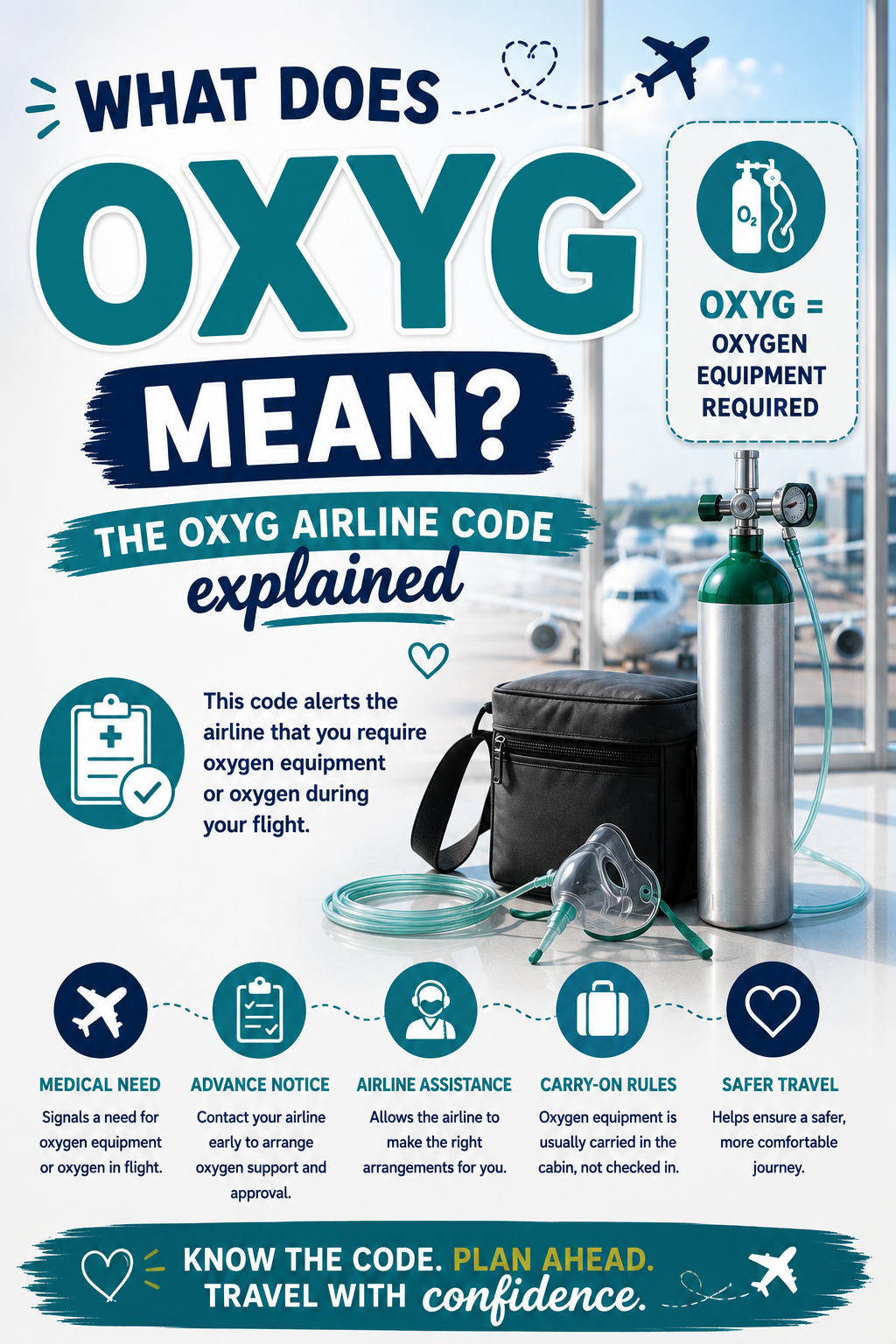
- OXYG – Requests for medical oxygen during a flight.
Each guide explains when the code should be used, how airlines interpret it and whether supporting medical documentation may be required.
Wheelchair Assistance Codes
One of the biggest areas of confusion is the difference between the three main wheelchair assistance codes: WCHR, WCHS and WCHC. Choosing the correct wheelchair assistance code helps airports provide the right level of support, whether that’s help getting through the terminal or assistance all the way to your aircraft seat.
You can also learn more about our other wheelchair assistance guides, including WCLB, WCOB, WCMP, WCBD and WCBW, which cover specialist wheelchair requests and equipment handling.
Autism and Hidden Disability Airline Codes
Not every disability is visible. Many passengers with autism, ADHD, dementia, learning disabilities or other hidden disabilities qualify for additional support when travelling. Our guides explain how airlines use codes such as DPNA and MAAS, when they should be requested and what assistance they can provide during your journey. If you’re travelling with autism, you may also find our Airport Special Assistance for Hidden Disabilities guide helpful when planning your trip.
Medical Airline Assistance Codes
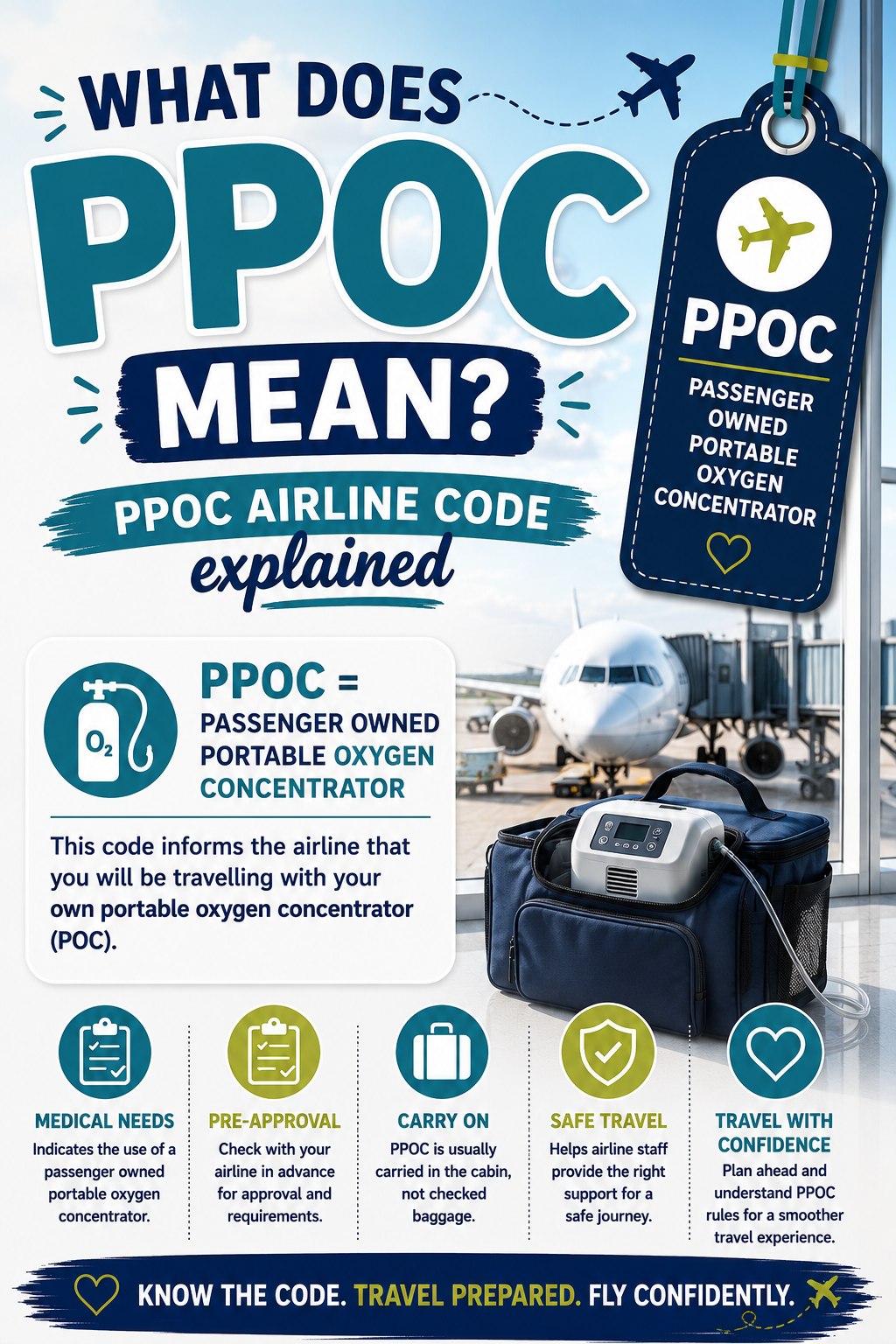
Some passengers require additional medical support before they can fly. Our guides covering MEDA, OXYG, STCR and PPOC explain when medical clearance is needed, how airline medical forms work and what documentation you may need before travelling.
Travelling With Assistance Animals
If you’re travelling with an assistance dog or another service animal, airlines use dedicated SSR codes to ensure the correct arrangements are made before departure. Our SVAN guide explains how service animals are handled, while PETC covers travelling with pets in the aircraft cabin.
Learn More About Airline Assistance
Understanding airline disability codes is only one part of planning an accessible journey. You may also find our guides to Airport Special Assistance, What Are Airline SSR Codes?, Airline Meal Codes, Airline Codes Explained, and our country and airport-specific assistance guides useful when preparing for your next flight. These resources are designed to help you understand the support available before, during and after your journey, making air travel as smooth and stress-free as possible.